
You can clear a crowded entryway in under an hour by moving your footwear up off the floor. The best shoe storage ideas for a narrow space use vertical height and wall depth so you never trip over sneakers again. Follow this plan to store every pair neatly without blocking your walking path.
How do I store shoes in a narrow hallway?
To store shoes in a tight passage, use wall depth rather than floor width. Most standard shoe racks stick out twelve to fifteen inches into the room, which quickly blocks a hallway. Instead, choose a slim tilt-out cabinet that sits less than seven inches deep. These cabinets hide messy pairs behind closed drop-down panels while keeping the walkway open.
If you prefer open access, hang floating wooden ledges or heavy-duty metal tension rails along the base of the wall. Slipping heels or sneaker soles behind a rail holds them flat against the wall. A basic knowledge of professional organizing shows that keeping your floor visible makes any tight space feel instantly wider and calmer.
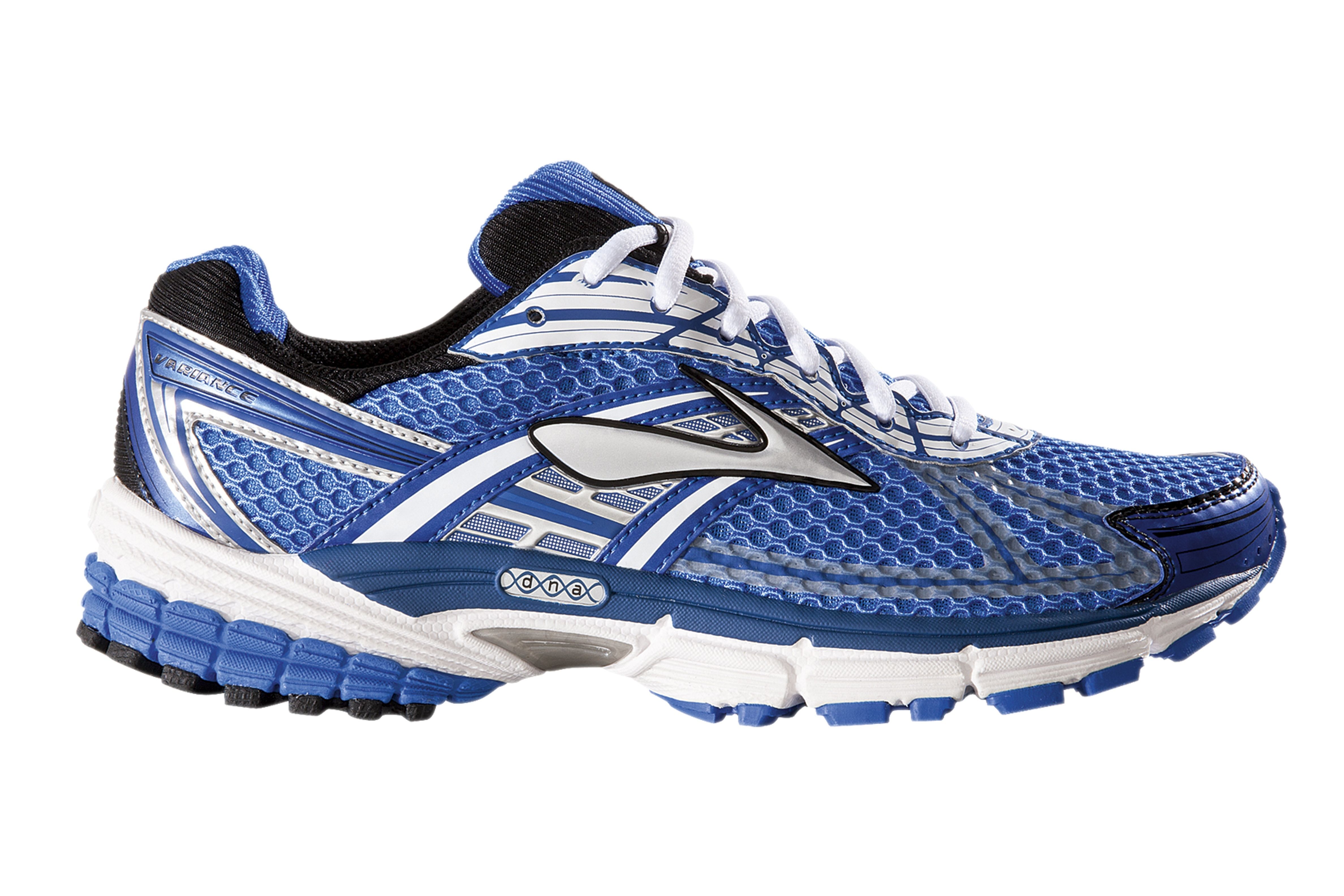
Slim wall rails and hanging solutions
Vertical walls offer the most wasted room in tiny entryways. Putting up simple hardware takes about twenty minutes with a drill, a pencil, and a spirit level. Once the hardware is set, shoes slide in without taking up a single square inch of walking space.
- Tension bars: Mount two slim brass or steel bars four inches apart to hold running shoes flat against the wall.
- Drop-front boxes: Stack clear acrylic drop-front shoe boxes three high in narrow dead zones, like behind an open front door.
- Peg rails: Fix a wooden shaker peg rail eighteen inches above the baseboard to hang boots by their pull loops.
- Over-door fabric pockets: Hang an opaque canvas organizer inside the coat cupboard door to tuck away flip-flops and flat shoes.
Shoe storage ideas for a narrow space under furniture
Low spaces under entryway furniture often collect dust when they could hold your most frequent footwear. A small bench with an open lower shelf allows you to slip four to six daily pairs out of sight in five seconds. Make sure the shelf sits at least six inches off the floor so you can run a vacuum or dust mop underneath without moving the furniture.
For long corridors, choose rolling under-bed style wire baskets that slide under a slim console table. Put felt pads under the wheels so they glide smoothly over floorboards without scratching. Dedicate one rolling basket per family member so each person keeps their daily pairs together.
Setting up a working daily shoe limit
A narrow entryway fails when it tries to hold every pair of shoes you own. Good housekeeping relies on strict limits for high-traffic spots. Keep only the shoes you wear during the current week in the narrow hallway, and move out-of-season footwear into storage bins under your bed or on high bedroom closet shelves.
- Two pairs per person: Allow only two pairs of everyday shoes per family member near the front door.
- Weekly reset: Take five minutes every Sunday evening to carry stray coats, boots, and athletic shoes back to bedroom wardrobes.
- Basket for slippers: Place a tiny woven basket by the door strictly for indoor house slippers so guests have a clear place to swap shoes.
- Seasonal swap: Pack winter snow boots into plastic tubs as soon as spring arrives to free up half your hallway space.
Keep the hallway floor dry and clean
Wet boots and muddy soles ruin shoe storage units fast if you do not plan for moisture. Line the bottom of any slim wooden cabinet with cut-to-fit washable silicone matting. This protects the wood from water damage, dirt, and road salt, and you can pull the liners out to rinse in the sink in two minutes.
For wet days, place a narrow rubber boot tray directly by the doorframe. Choose a heavy tray with raised ridges that lift the wet soles out of standing puddles. This keeps water off your floors, prevents slips, and gives everybody a clear target when they walk into the house.

No comments:
Post a Comment